

Dental fear is common, studies estimate millions of Americans avoid the dentist because of anxiety, embarrassment, or a previous bad experience. If going to the dentist makes you tense or keeps you from getting the care you need, the team at Fuller Smiles West Los Angeles can help. We offer modern sedation options delivered with careful monitoring and clear communication so patients feel secure before, during, and after treatment.
Sedation dentistry is not about putting patients to sleep for every appointment; it’s about matching the level of relaxation to your needs so complex care is possible without distress. When anxiety disappears, patients are able to complete necessary work in fewer visits, tolerate longer appointments, and leave the office with a more positive view of dental care. Our goal is to make treatment accessible, not scary, while keeping safety and comfort at the center of every decision.
Below you’ll find a clear, patient-friendly guide to why someone might choose sedation, how different methods work, what safety checks are used, and what to expect on the day of your appointment. The information is designed to inform your conversation with our dental team and help you decide whether sedation is a helpful option for you.
For many patients, fear is the primary barrier to routine dental care. Anxiety can cause muscle tension, difficulty breathing, and an exaggerated gag reflex, all of which make even a simple cleaning uncomfortable. Sedation works by calming the central nervous system so you can relax physically and mentally during treatment. That allows the clinician to work more efficiently and the patient to remain comfortable throughout the procedure.
Sedation doesn’t replace local anesthesia; instead, it complements it. While numbing medication prevents pain in the treatment area, sedation addresses the emotional and physiological response to dental care. When both are used together, patients experience minimal discomfort and often have little or no memory of the appointment itself, which can reduce future anxiety about returning.
Another practical benefit of sedation is time efficiency. Patients who require multiple restorations or surgical care can often have more completed in a single visit, provided the dentist and patient agree that extended treatment is appropriate. That can be especially helpful for people who have difficulty with repeated appointments, children, or those with certain medical or cognitive challenges.
Sedation is an option for a broad range of patients. Individuals with dental phobia, a strong gag reflex, or significant anxiety around dental procedures are common candidates. People who have had traumatic dental experiences in the past or who avoid care until problems become urgent often find sedation removes the emotional barrier that kept them away.
Patients facing longer or more invasive procedures (such as multiple fillings, root canals, extractions, or implant surgery) may prefer sedation to remain relaxed for the duration of care. Likewise, those who have difficulty sitting still for extended periods, including some children, seniors, or patients with special needs, can receive necessary treatment more comfortably when an appropriate sedation plan is in place.
Before recommending sedation, the dental team reviews each patient’s medical history, current medications, and any underlying conditions that might affect safety. That personalized assessment ensures the chosen method matches the patient’s health profile and the scope of the dental work to be performed.

Sedation is available in several forms, ranging from light anxiety reduction to deeper relaxation. We focus on conscious sedation options that allow patients to breathe independently and respond to verbal prompts while experiencing a calm, comfortable state. Below is an overview of commonly used approaches and how they differ.
Conscious sedation keeps you relaxed but still awake; you can follow directions from the dental team and maintain your own airway. This is typically sufficient for most dental procedures and is administered safely within the office setting. General anesthesia, where a patient is fully unconscious and requires airway support, is reserved for cases where no other approach is safe or practical and is typically managed in a hospital or surgical center.
Choosing the right level of sedation involves balancing the patient’s comfort needs with medical safety. For most anxious patients, conscious sedation offers an excellent mix of effectiveness and safety without the need for the more complex setup associated with general anesthesia.
Nitrous oxide, often called “laughing gas”, is a mild inhaled sedative that eases nerves quickly and wears off within minutes after the gas supply is stopped. It is typically used for mild to moderate anxiety, short procedures, or to help suppress a sensitive gag reflex. Patients remain conscious and can drive home shortly after the appointment if no additional sedatives were taken.
Oral sedation involves taking a prescribed medication before the visit to reduce anxiety. Doses are tailored so patients feel drowsy and relaxed yet remain responsive. Because these medications can impair coordination and judgment for several hours, patients must arrange for someone to accompany them to and from the office and stay with them until they are fully recovered.
IV sedation allows precise control over the level of relaxation using medications delivered directly into a vein. It is useful when deeper sedation is needed or when rapid adjustment of the sedative effect is helpful during complex or lengthy procedures. Patients receiving IV sedation must follow fasting instructions and have a responsible adult available to drive them home after the appointment.

Safety is the top priority whenever sedation is used. Before any sedative is recommended, we take a thorough medical history, review current prescriptions and supplements, and discuss previous reactions to anesthesia or medications. This helps the dental team identify potential interactions or conditions that require special precautions.
Monitoring during sedation includes pulse oximetry, blood pressure checks, and visual assessment by trained staff. For IV sedation, additional monitoring and equipment are available so clinicians can respond immediately to changes in a patient’s condition. Only qualified professionals who are trained in sedation and emergency protocols administer and supervise sedated care.
Patients are given specific pre-appointment instructions based on the type of sedation planned. For example, fasting is required before IV sedation but not for nitrous oxide. You will also be advised about which medications to take or avoid before your visit. Clear pre-op instructions and honest communication about your health history help us deliver safe, effective sedation.
Recovery from sedation varies by method. With nitrous oxide, effects fade within minutes and most people feel normal almost immediately. Oral and IV sedatives may leave residual drowsiness for several hours, so rest and limited activity are advised. Because cognitive function can be temporarily impaired, patients who receive oral or IV sedation must have a responsible adult take them home and stay with them until they are fully alert.
Aftercare instructions will cover typical sensations you might experience (such as mild grogginess, dry mouth, or lightheadedness) and signs that would warrant contacting the dental office. We also explain when normal eating and regular medications may be resumed. A follow-up appointment or check-in call may be scheduled to ensure healing is proceeding as expected and to address any concerns.
Most patients report a positive recovery and greater willingness to pursue ongoing dental care after a well-managed sedated visit. By removing the emotional barrier, sedation can help re-establish regular dental maintenance and prevent small problems from becoming larger issues.
At Fuller Smiles West Los Angeles, our approach to sedation is personalized and safety-focused. If dental anxiety has kept you from getting the care you need, please contact us to discuss whether sedation dentistry could help you receive comfortable, stress-free treatment. We’re happy to answer your questions and explain the options so you can make an informed choice.
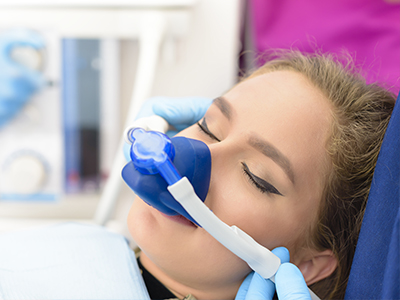

Sedation dentistry uses medications to help patients relax during dental procedures while local anesthesia prevents pain in the treatment area. It is intended for people who experience dental anxiety, strong gag reflexes, difficulty sitting for long visits, or who require extensive treatment in fewer appointments. The goal is to create a calm, controlled environment so patients can receive necessary care with minimal stress.
Sedation ranges from mild relaxation to deeper states where a patient may have limited or no memory of the procedure, depending on the method used. Even when sedated patients are very relaxed, the dental team continues to monitor breathing and vital signs and provides local anesthetic so patients do not feel pain. Sedation is always combined with careful preoperative assessment and continuous supervision by trained clinicians.
Local anesthesia numbs only the specific area being treated and does not alter consciousness or reduce anxiety; it keeps the patient comfortable but fully aware. Sedation dentistry uses medications that reduce anxiety and create relaxation in addition to local anesthesia, so patients are calm and may be less aware of the procedure. General anesthesia produces a deep, reversible state of unconsciousness and is typically reserved for hospital settings or patients who cannot be treated safely with office-based sedation.
The level of monitoring and personnel required varies with the type of sedation and the patient's health status, with conscious sedation often managed in the dental office and general anesthesia administered by an anesthesiologist. Choice of approach depends on medical history, the complexity of the procedure, and the patient's level of anxiety. Your dentist will explain the rationale for the recommended option and the specific safeguards that will be in place.
Common office-based options include inhalation sedation with nitrous oxide, oral sedation using prescribed medication, and intravenous (IV) sedation for deeper control. Nitrous oxide is a mild, fast-acting option that produces relaxation and wears off quickly after the mask is removed, making it suitable for routine procedures. Oral sedation involves taking a pill before the appointment and can produce moderate relaxation; patients who take oral sedatives generally need someone to escort them to and from the office.
IV sedation delivers medication directly into a vein and can be adjusted during treatment to achieve a deeper level of sedation when necessary, with rapid onset and precise control. All methods are chosen based on medical history, anxiety level, and the length or complexity of the treatment. The dental team will review which option best meets the patient's needs and explain any specific preparation or aftercare requirements.
Patients who experience significant dental anxiety, have a powerful gag reflex, need lengthy or complex dental work, or have difficulty sitting still for treatment are often good candidates for sedation. Sedation is also used for patients with certain medical, cognitive, or physical conditions that make routine care challenging. A thorough medical and dental evaluation helps determine whether sedation is appropriate and which method is safest.
Not every patient requires sedation, and candidacy depends on factors such as current medications, medical conditions, and the planned procedure. During the consultation the dental team will review medical history, allergies, and prior anesthesia experiences to tailor a safe plan. If sedation is recommended, clear instructions and a checklist of preparation steps will be provided to ensure the appointment proceeds smoothly.
Sedation dentistry is safe when administered by trained professionals who follow established protocols for patient assessment, monitoring, and emergency readiness. Prior to treatment a comprehensive health history is reviewed and any necessary adjustments to medications or pre-procedure requirements are discussed. Throughout the appointment the team monitors vital signs and the patient's level of consciousness to maintain a stable, controlled state.
At Fuller Smiles West Los Angeles the practice uses appropriate monitoring equipment and staff trained in sedation techniques and emergency response to help ensure patient safety. Sedation choices are individualized and adjusted for age, medical conditions, and the planned dental work, and patients are only cleared for sedation when the team is confident it can be provided safely. Clear post-procedure instructions and required escorts for certain methods further reduce risk during recovery.
Preparation varies by sedation type, so always follow the specific instructions given by the dental team, which may include fasting for several hours before IV sedation and taking or skipping certain medications. Arrange for a responsible adult to drive you to and from the appointment if you will receive oral or IV sedation, since these methods impair judgment and reaction time. Wear comfortable clothing and avoid wearing strong fragrances, heavy makeup, or contact lenses on the day of the visit.
Bring a list of current medications, supplements, and medical conditions to the appointment and be ready to discuss prior reactions to sedatives or anesthesia. If you have questions about prescription timing or whether to take routine medications before the appointment, contact the office ahead of time for guidance. Clear communication about your health history helps the team choose the safest sedation plan and reduces the likelihood of delays.
During sedation you will be monitored continuously for heart rate, blood pressure, oxygen levels, and breathing, and the dental team will communicate with you as appropriate for the level of sedation used. Many patients feel deeply relaxed, sleepy, or detached from the procedure and have little or no memory of the experience afterward. Local anesthesia is used in combination with sedation so you should not feel pain during the treatment.
After the appointment you may experience drowsiness, lightheadedness, or slowed reflexes for several hours, so it is important to follow post-procedure instructions and rest as directed. Do not drive, operate machinery, or make important decisions until fully recovered and cleared by the dental team. If any unexpected symptoms occur during recovery, contact the office or seek medical attention promptly.
Yes, children and patients with special needs can often benefit from sedation when traditional behavior management techniques are not sufficient to deliver safe, effective care. Pediatric sedation is approached with age-appropriate dosing, careful monitoring, and clear communication with caregivers about preparation and recovery. For some young children or individuals with complex needs, general anesthesia in a hospital setting may be recommended for safety and comfort.
The dental team conducts a detailed evaluation to choose the safest option and will discuss risks, benefits, and alternatives with parents or guardians before proceeding. Consent and clear post-procedure instructions are always provided, and planning often includes coordination with medical providers or specialists when necessary. The priority is to deliver necessary dental care in a manner that minimizes stress and maximizes safety.
Many medical conditions and prescription or over-the-counter medications can influence the choice and dosing of sedative agents, so full disclosure of health history is essential. Conditions such as respiratory disorders, heart disease, liver or kidney impairment, sleep apnea, and pregnancy require special consideration and may limit which sedation methods are appropriate. Some medications interact with sedatives and may need to be adjusted or temporarily withheld under the guidance of your dentist or physician.
Before recommending sedation the dental team will review current medications, allergies, and prior anesthesia experiences and may request medical clearance from your physician when appropriate. This coordination helps tailor a safe plan that minimizes interactions and complications. If you have concerns about a particular health issue or medication, raise them during the consultation so the team can address them specifically.
The practice emphasizes patient comfort, careful preoperative assessment, and the use of proven sedation techniques to make dental care accessible for anxious patients and those needing extensive treatment. The dental team works with each patient to explain options clearly, determine the safest sedation approach based on medical history and treatment needs, and provide continuous monitoring during appointments. Personalized care helps patients feel more confident about getting the work they need in a single, well-managed visit when appropriate.
Fuller Smiles West Los Angeles serves patients from its Culver City, Santa Monica and Beverly Hills locations with a focus on gentle, modern dentistry and thorough communication about what to expect before, during, and after sedation. If you are interested in learning more about sedation options or would like a consultation to determine candidacy, contact the office to schedule an evaluation and discuss next steps. The team will outline preparation guidelines and answer clinical questions to help you make an informed decision.

Have a question about a treatment, or ready to book your next visit?
Getting in touch is the easy part. Our friendly team is happy to help you schedule an appointment, walk through your options, or talk through any concerns before you commit to anything.
Call us, or fill out our quick online contact form—whichever suits you. Either way, you'll reach a real person who's glad to help. The smile you've been thinking about starts with a single message, so go ahead and send it. We'll take it from there.