

If a dentist has recommended a root canal, take a breath, this treatment is a modern, routine way to stop pain and save a tooth. Advances in instruments, techniques, and anesthetics mean most patients experience minimal discomfort, and the procedure is much more predictable than it was decades ago. For many people, root canal therapy is the best conservative option to preserve natural function and appearance without removing the tooth.
At the office of Fuller Smiles West Los Angeles, we combine careful diagnostic work with a patient-focused approach to make root canal care straightforward and understandable. Our team prioritizes comfort and clear communication so you always know what to expect before, during, and after treatment.
Teeth are designed to work together: when one is lost, the bite can shift, neighboring teeth can drift, and chewing efficiency may decline. Preserving a natural tooth, when feasible, helps maintain proper alignment and the natural contours of your smile. Root canal therapy removes the diseased tissues inside a tooth while leaving the outer structure in place, allowing you to retain strength and appearance with a suitable restoration.
Modern root canal procedures have very high success rates when performed with careful technique and followed by appropriate restoration. Saving a tooth can prevent the need for more involved restorative options later on, and helps protect the bone and tissues that support your teeth. In many cases, a well-treated tooth can function reliably for many years, often decades, with routine care.
After root canal therapy, we commonly recommend a crown or other long-lasting restoration to protect the treated tooth from fracture and to restore normal chewing forces. The combination of effective endodontic treatment and a strong final restoration helps ensure long-term comfort and function.

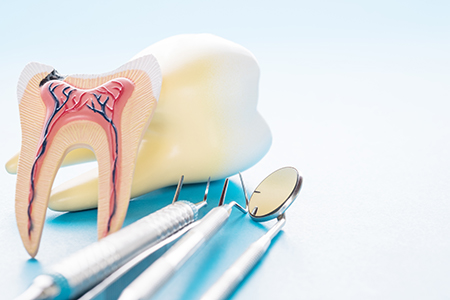
Inside each tooth is a soft core called the dental pulp, containing nerves and blood vessels. When that tissue becomes inflamed, infected, or irreversibly damaged, it can cause a range of symptoms. Sometimes the warning signs are obvious; in other cases, problems show up on X-rays before you notice pain. Regular exams and digital imaging help us spot trouble early.
Common indicators that a tooth may require root canal treatment include lingering sensitivity to hot or cold, persistent or throbbing pain, and discomfort when biting. Some teeth darken in color after injury or infection, and swelling near the gum line can signal an abscess. Because these signs can overlap with other issues, professional evaluation is the best way to determine the cause and plan the right treatment.
Not every sore tooth needs a root canal, but ignoring symptoms can allow infection to spread and make treatment more complex. If you notice changes in sensation, swelling, or a tooth that no longer looks or feels normal, schedule an exam so we can assess whether root canal therapy or another approach is appropriate.
Pain that lingers or intensifies, especially pain that wakes you at night or interferes with daily activities, often means the nerve inside the tooth is compromised. Prompt evaluation helps identify the source and determine whether root canal treatment will relieve the discomfort.
Short-lived sensitivity is common, but prolonged or extreme reactions to hot, cold, or sweet substances can indicate pulpal inflammation. When the response persists after the stimulus is removed, the tooth may need definitive care.
Discomfort on biting often points to inflammation or infection inside the tooth or at its root ends. Addressing this early helps prevent worsening symptoms and further damage.
A tooth that becomes darker following trauma or over time can reflect internal changes to the pulp. While not every discolored tooth requires a root canal, it is a sign that warrants examination.
Fractures or significant chips can expose the inner tooth tissues to bacteria and damage, making endodontic treatment necessary to preserve the remaining tooth structure.
Swelling, tenderness, or the presence of a small pimple-like bump on the gums near a tooth may indicate an abscessed root. These signs require timely evaluation and treatment to control infection.
Advanced infection can affect the bone that supports a tooth, occasionally leading to mobility. Root canal therapy can often halt the destructive process and allow healing when combined with appropriate restoration.

Some teeth with deep decay or trauma become infected without causing dramatic pain at first. A routine exam or X-ray may reveal bone changes at a root tip before you feel any symptoms. Addressing these findings proactively helps avoid larger problems, such as spreading infection or damage to adjacent teeth and supporting bone.
Delaying treatment can allow an infection to progress, increasing discomfort and complicating care. While root canal therapy can often resolve even long-standing infections, earlier intervention generally simplifies treatment and improves outcomes. Our goal is to protect your natural teeth and maintain the health of the surrounding tissues.
When a root canal is indicated, we’ll explain the options, the expected sequence of care, and how a final restoration will help preserve the tooth. Timely action gives you the best chance for a comfortable recovery and a durable result.
Root canal therapy starts with a careful evaluation, including a clinical exam and X-rays, to map the tooth’s anatomy and identify areas of infection. Local anesthesia is used to ensure you remain comfortable throughout the procedure. For patients with dental anxiety, additional sedation options are available to help you relax.
The dentist makes a small opening in the crown of the tooth to access the pulp chamber and canals. Using specialized instruments and irrigation, the canals are cleaned, shaped, and disinfected to remove inflamed tissue and bacteria. Once the internal space is prepared, the canals are sealed with a biocompatible filling material to prevent reinfection.
Depending on the tooth’s complexity and the presence of infection, treatment may be completed in a single visit or spread over two appointments. After the root canal is finished, a temporary filling is placed and we’ll discuss the appropriate permanent restoration, often a crown, to restore strength and full function.
Advanced tools such as digital imaging, microscopes, and flexible nickel-titanium instruments help us work precisely within curved canals and conserve as much tooth structure as possible. When situations are complex, we coordinate care with endodontic specialists to ensure optimal results.
After your appointment, it’s normal to have some tenderness as the surrounding tissues heal. Over-the-counter pain relievers or a short course of prescription medication, if recommended, typically manage discomfort effectively. Keeping the treated tooth out of heavy chewing until a permanent restoration is placed will reduce the risk of fracture.
Good oral hygiene and routine dental visits are key to maintaining the health of a tooth after root canal therapy. Brushing, flossing, and regular professional cleanings help prevent new problems from arising. Your dentist will advise when to return for the final restoration and for any necessary follow-up checks.
While rare, persistent pain or swelling can indicate complications that require prompt attention. If you experience ongoing symptoms after treatment, contact us so the situation can be assessed and managed appropriately.
You may feel numb for a few hours after the appointment. Avoid chewing, drinking hot liquids, or manipulating your mouth until sensation returns to prevent accidental injury to lips or cheeks.
Mild to moderate soreness around the treated tooth and gums is common and usually eases within a few days. Use recommended pain relief and follow any instructions given for care at home.
If an antibiotic is provided to address an infection, take the full course exactly as directed. This helps control the infection and supports healing.
A tooth treated with root canal therapy is more brittle until it receives a permanent crown or restoration. Avoid hard, sticky, or chewy foods on that side of the mouth until the final restoration is in place.
Resume gentle brushing and flossing around the treated tooth. Keeping the area clean supports recovery and long-term success.
Placing a permanent crown or restoration soon after root canal therapy restores strength and function. Your dentist will provide a timeline tailored to your case.
With attentive follow-up and proper restoration, a tooth treated with root canal therapy can remain a reliable part of your smile for many years. Our team at the office of Fuller Smiles West Los Angeles is committed to helping you through every step, from diagnosis to long-term maintenance.
If you have questions about root canal treatment, persistent symptoms, or whether this therapy is right for a particular tooth, please contact us for more information.


A root canal, also called endodontic therapy, treats the soft tissue (pulp) inside a tooth that has become inflamed or infected. The procedure removes damaged tissue, disinfects the canal system and seals the space to prevent reinfection. By preserving the outer tooth structure, this treatment maintains chewing function and the appearance of your smile.
Dentists commonly recommend root canal therapy to relieve persistent pain and to stop an infection from spreading to surrounding bone and tissues. Modern instruments, local anesthesia and improved techniques make the procedure predictable and comfortable for most patients. When feasible, saving a natural tooth is generally preferable to extraction because it helps preserve bite alignment and nearby teeth.
Warning signs that a tooth may need a root canal include lingering sensitivity to hot or cold, throbbing or severe pain, and pain when biting or chewing. A tooth that darkens after trauma, swelling near the gumline or the presence of a pimple-like bump may also indicate an infection. However, some infected teeth cause little or no pain and may be identified first on a routine X-ray.
Your dentist will use a clinical exam, pulp testing and digital imaging to determine whether root canal therapy is appropriate. Because several dental problems can produce similar symptoms, professional evaluation is the most reliable way to identify the cause and plan treatment. Prompt assessment helps simplify care and improve the likelihood of preserving the natural tooth.
Root canal treatment begins with a thorough evaluation that includes a clinical exam and X-rays to map the tooth's anatomy and detect areas of infection. Local anesthesia is used to numb the tooth so you remain comfortable throughout the procedure. The dentist accesses the pulp chamber, cleans and shapes the canals using specialized instruments, and irrigates to remove bacteria and debris.
Once the canals are disinfected they are sealed with a biocompatible filling material and the tooth receives a temporary restoration to protect it between appointments when needed. Treatment can often be completed in a single visit, but complex anatomy or active infection sometimes requires two appointments. At the office of Fuller Smiles West Los Angeles we discuss sedation options, the expected sequence of care and the plan for the final restoration so patients know what to expect.
Thanks to modern local anesthetics and careful technique most patients experience little or no pain during the actual root canal procedure. Many people say they feel relief once the infected tissue is removed because the source of the pain has been treated. Your dental team will take steps to keep you comfortable and monitor your sensations throughout the appointment.
It is common to have some soreness or mild discomfort for a few days after treatment as surrounding tissues heal. Over-the-counter pain relievers or a short course of prescription medication, when indicated, generally manage this soreness effectively. If pain or swelling worsens or persists beyond a few days, contact your dentist so the situation can be reassessed.
Recovery after a root canal typically involves a few days of minor tenderness as the surrounding bone and tissues heal. You may be numb for several hours after the appointment so take care when eating or drinking until sensation returns. Avoid chewing on the treated tooth until it has a durable final restoration to reduce the risk of fracture.
Your dentist will advise when to return for placement of the permanent crown or other restoration and for any needed follow-up checks. Maintaining good oral hygiene and attending regular dental visits supports long-term success of the treated tooth. Contact the office promptly if you notice increased swelling, severe pain, fever or other unusual symptoms during recovery.
A root canal removes infected internal tissues but leaves the outer tooth structure, which can be more brittle without the living pulp and crown. Placing a permanent crown or similar restoration restores strength and protects the tooth from fracture during normal chewing forces. A well-designed restoration also reestablishes proper contact with neighboring teeth and helps preserve bite function.
Timing for the final restoration depends on the tooth's condition and the dentist's clinical judgment, and prompt placement generally improves long-term outcomes. Your dentist will discuss material options, the preparation process and the sequence of appointments needed to complete restorative care. Fuller Smiles West Los Angeles commonly recommends crowns on posterior teeth that endure heavy chewing forces to maximize durability.
Alternatives to root canal therapy depend on the tooth's condition and may include monitoring, pulp capping for very recent or shallow injuries, or extraction when a tooth is not restorable. Extraction removes the source of infection but also creates a gap that typically requires a restorative solution to replace the missing tooth. The best option balances tooth preservation, overall oral health and the long-term outlook for function and appearance.
Some patients are candidates for conservative measures that aim to avoid or delay endodontic treatment, but these approaches require careful selection and regular reassessment. When a tooth is structurally compromised or extensively decayed, extraction with subsequent restoration may be the most predictable path to maintain oral health. Your dentist will explain the advantages and trade-offs of each choice so you can make a decision that fits your dental needs and preferences.
As with any dental procedure, root canal therapy carries potential complications such as persistent infection, incomplete removal of bacteria, or instrument separation inside a canal. Perforation of the root or nearby structures, and subsequent need for retreatment or surgical intervention, can also occur in rare situations. Awareness of these possibilities helps when planning care and choosing clinicians who have experience with complex cases.
If complications arise your dentist may recommend retreatment, apical surgery or referral to an endodontic specialist to address residual infection or anatomical challenges. Timely follow-up and adherence to post-treatment instructions reduce the chance of problems and support successful healing. Good communication with your dental team ensures that concerns are evaluated and managed promptly.
With quality endodontic technique, an appropriate final restoration and diligent oral hygiene, many root canal-treated teeth function for decades and in some cases for a lifetime. Long-term success depends on factors such as the tooth's original condition, the quality of the seal, and the presence of adequate supporting bone. Regular dental exams help identify new risks early and allow interventions that prolong the tooth's serviceable life.
Certain habits, like clenching or grinding, and untreated gum disease can shorten the lifespan of a restored tooth, so discussing protective measures with your dentist is important. A mouthguard, periodontal care and well-fitted restorations all contribute to durability. If concerns develop later, timely evaluation helps determine whether retreatment or another approach is necessary to preserve oral health.
A successful root canal removes the source of a tooth-based infection and reduces the risk that the infection will spread to adjacent bone or soft tissues. Controlling localized dental infections supports overall health because chronic oral infections can affect surrounding structures and contribute to systemic inflammation. Root canal therapy is a targeted way to eliminate an infected pulp while preserving natural dentition when possible.
Maintaining good oral hygiene, attending regular dental checkups and treating infections promptly are the most important steps to protect both oral and general health. If you experience signs of a spreading infection such as increasing swelling, fever or difficulty breathing, seek immediate dental or medical attention. For questions about diagnosis, treatment options or follow-up care, contact Fuller Smiles West Los Angeles to schedule an evaluation with the dental team.

Have a question about a treatment, or ready to book your next visit?
Getting in touch is the easy part. Our friendly team is happy to help you schedule an appointment, walk through your options, or talk through any concerns before you commit to anything.
Call us, or fill out our quick online contact form—whichever suits you. Either way, you'll reach a real person who's glad to help. The smile you've been thinking about starts with a single message, so go ahead and send it. We'll take it from there.