

At the office of Fuller Smiles West Los Angeles, we take a practical, prevention-first approach to oral health. Regular oral exams are the foundation of durable, comfortable smiles, they give our team the chance to catch small issues early, confirm that tissues are healthy, and build a care plan that fits your life. Whether you visit with a child, a teen, or as an adult, each exam is tailored to your needs and designed to leave you informed and confident about your oral health.
Your first comprehensive exam goes beyond a quick look inside the mouth. We begin by reviewing your medical and dental history so we can recognize any risk factors that influence oral health, medications, past treatments, chronic conditions, and lifestyle habits all matter. This context helps our clinicians interpret what they see and plan the safest, most effective care for you and your family.
Next comes the hands-on evaluation. We examine teeth for signs of decay, inspect gums for bleeding or pockets that suggest gum disease, and assess the function of your bite and jaw joints. We also screen the soft tissues of the mouth, head, and neck for anything unusual. These early observations provide a baseline that makes it easier to spot change on future visits.
If indicated, we’ll recommend diagnostic images to see structures beneath the surface. X-rays reveal hidden decay, bone levels, and the condition of roots that a visual exam alone can miss. After the exam, we’ll review our findings in plain language, outline recommended preventive steps or treatments, and answer any questions so you leave with a clear plan.

Oral health and general health are closely connected. Inflammation, infection, and certain oral conditions can influence other body systems, and conversely, systemic diseases can first show signs in the mouth. During an oral exam, we watch for indicators that may warrant further investigation with your medical provider, such as persistent gum inflammation, unusual oral lesions, or dry mouth that could be medication-related.
Recognizing these links helps us take a more holistic view of your care. For example, uncontrolled gum disease has been associated with higher risks for complications in people with diabetes and can complicate cardiovascular conditions. Identifying oral issues early makes it possible to coordinate care with physicians and reduce the chance that a dental problem will contribute to larger health concerns.
We also consider lifestyle and nutrition during the exam. Diet, tobacco use, stress-related clenching or grinding, and sleep patterns can all affect oral tissues. Our goal is to provide practical guidance that supports both oral and overall health, simple changes and preventive steps that reduce risk and improve daily function.
A strong homecare routine is essential, but professional cleanings remove hardened deposits and reach areas that are difficult to access with routine brushing and flossing. During your checkup, our hygienists remove plaque and tartar, polish the teeth, and identify any areas where build-up is recurring. This maintenance helps prevent cavities and keeps gum tissues healthy between visits.
Regular exams are also an opportunity for personalized education. We’ll demonstrate the most effective brushing and flossing techniques for your mouth, recommend tools that suit your needs, and suggest adjustments to reduce risk, whether that means changing your flossing approach, addressing a nighttime grinding habit, or discussing fluoride for added protection.
For children and adolescents, routine visits are particularly valuable because they allow us to monitor growth and development. Early exams help us spot developing bite concerns or tooth alignment issues that may benefit from orthodontic evaluation. Establishing a dental routine early encourages lifelong habits that support a healthy smile into adulthood.
X-rays are one of the most useful diagnostic tools available during an oral exam. They reveal what can’t be seen with the naked eye: small cavities between teeth, the health of tooth roots, the level and density of jawbone, and the position of developing or impacted teeth. Using these images, we can make more accurate diagnoses and plan treatments that are both conservative and precise.
Modern digital radiography has made imaging quicker and safer. Digital sensors capture high-resolution images with minimal radiation exposure, and the images are available immediately for review. Because they’re stored electronically, we can compare images over time to track changes, share them with specialists when coordination of care is needed, and use them to explain findings to patients with visual clarity.
When standard radiographs don’t provide enough information, three-dimensional imaging such as cone-beam computed tomography (CBCT) can be used selectively. CBCT provides detailed 3D views of teeth, bone, and anatomy, a powerful tool for complex assessments, implant planning, and surgical cases. We reserve advanced imaging for situations where it directly benefits diagnosis or treatment planning.

There are several types of radiographs and each serves a different purpose. Periapical images focus on the entire length of one or a few teeth, which helps evaluate root health and bone around the tooth. Bitewing films are ideal for checking the biting surfaces of back teeth for decay. Together, these small images are efficient for routine checkup needs.
For a broader view, a full mouth series combines multiple periapicals and bitewings to assess all teeth and surrounding structures. A panoramic film gives a single two-dimensional image of the entire mouth and jaws, useful for reviewing tooth development, impacted teeth, and overall jaw relationships. Orthodontists often use specialized cephalometric images to assess facial proportions and growth patterns.
When three-dimensional detail is needed, CBCT provides cross-sectional views that are invaluable for precise implant placement, evaluation of complex anatomy, and surgical planning. Because all imaging has benefits and limitations, we recommend the type and frequency of radiographs based on your individual health history, current symptoms, and long-term treatment goals.
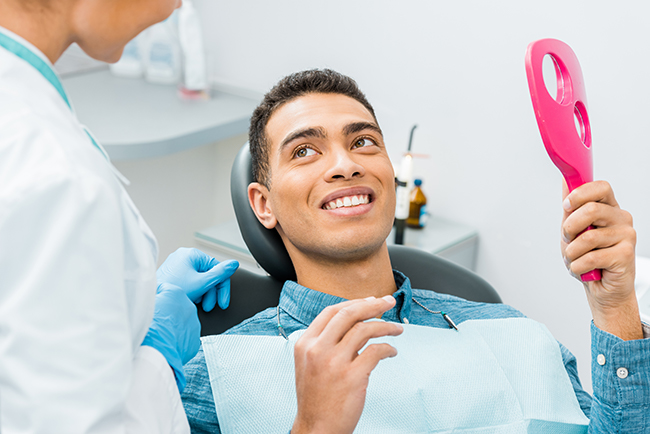
Consistent, thoughtful oral exams are one of the best investments you can make in a lifetime of healthy smiles. At our practice, we combine careful clinical evaluation, modern imaging, and clear patient education so you understand what’s happening and why it matters. To learn more or to schedule an oral exam at Fuller Smiles West Los Angeles, please contact us for more information.
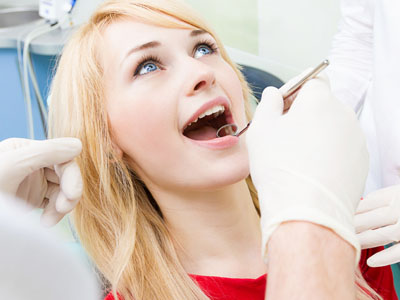

A comprehensive oral exam begins with a review of your medical and dental history to identify risk factors that may influence treatment. Next, the clinician performs a visual and tactile evaluation of teeth, gums, bite function and the soft tissues of the mouth, head and neck. Hygienists often assess plaque and tartar buildup while clinicians look for signs of decay, gum disease, abnormal lesions and jaw joint concerns.
If needed, diagnostic images such as digital X-rays are taken to reveal hidden decay, root conditions and bone levels that a visual exam cannot show. Findings are explained in plain language and paired with preventive recommendations or treatment options so you leave informed. The office of Fuller Smiles West Los Angeles emphasizes a prevention-first approach and tailors each exam to the individual's needs.
For most patients, routine oral exams every six months provide consistent monitoring of oral health and help catch early problems before they progress. That interval allows hygienists to remove tartar and clinicians to compare changes in soft tissues and radiographs over time. However, frequency should be personalized based on factors such as gum disease history, systemic conditions, medications and individual risk.
Patients with active periodontal disease, a history of rapid decay, or certain medical conditions may benefit from more frequent visits. Conversely, healthy adults with low risk may move to annual exams when agreed upon with their dental team. Your clinician will recommend a schedule that balances prevention with your lifestyle and long-term goals.
Dental X-rays reveal structures that cannot be seen during a visual inspection, such as interproximal cavities, root infections and bone levels around teeth. They are essential for accurate diagnosis because many dental problems start beneath the surface and produce no early symptoms. Using X-rays helps clinicians plan conservative, targeted treatments rather than relying solely on what is visible.
Modern digital radiography provides high-resolution images with minimal radiation and quick availability for review. When more detailed three-dimensional information is required, for example for complex implant planning or surgical assessment, CBCT imaging may be recommended selectively. Your dental provider will explain the purpose of any recommended images and how they contribute to a safer, more precise diagnosis.
Oral exams include a systematic soft-tissue screening of the lips, tongue, cheeks, floor and roof of the mouth, and the surrounding head and neck areas. Clinicians look for lumps, persistent sores, discoloration or textured changes that could indicate precancerous conditions or malignancy. Early detection significantly improves outcomes because suspicious findings can be investigated and managed promptly.
If the exam reveals an unusual lesion or symptom, the dental team documents it, may take photographs or images, and discusses next steps with the patient. This often includes a short-term recheck, biopsy referral or coordination with a medical specialist for further evaluation. Regular exams provide the best opportunity to catch oral cancer indicators at an early, more treatable stage.
Systemic conditions such as diabetes, autoimmune disorders, and certain cardiovascular diseases can influence oral health and alter exam findings. Medications that cause dry mouth or changes in bleeding risk are important to disclose because they affect tissue health and treatment planning. A comprehensive health history allows the dental team to interpret oral signs in context and to recommend appropriate precautions.
Conversely, oral inflammation and infection can have implications for broader health, so discoveries during an exam may prompt communication with your medical provider. For patients with complex health profiles, the practice coordinates care and adjusts preventive and restorative approaches to reduce systemic risk. Open communication about your medical status helps ensure safe, effective dental care that supports whole-body wellness.
Bring a current list of medications, names of primary care providers and any recent medical diagnoses or surgeries that could affect dental care. Also mention allergies, pregnancy status, and any past dental experiences that influence your comfort or treatment preferences. Providing this information up front helps the clinician assess risks and tailor the exam to your needs.
If you have recent dental images or treatment records from another office, sharing them can speed diagnosis and avoid duplicate imaging. Be prepared to describe symptoms such as pain, sensitivity, bleeding or changes you have noticed in your mouth. Clear communication during the first visit creates an efficient baseline and builds a partnership for ongoing preventive care.
Pediatric and adolescent exams focus not only on cavities and gum health but also on growth, tooth development and habits that affect long-term outcomes. Clinicians monitor the eruption pattern, spacing and bite relationships to identify early signs of malocclusion or developmental concerns. Age-appropriate education and behavior guidance help children develop effective homecare and positive attitudes toward dental visits.
For teens, exams may include discussions about orthodontic needs, sports mouthguards, fluoride habits and cosmetic concerns as their smiles mature. Routine visits also create opportunities for preventive services like sealants and fluoride when indicated to reduce decay risk. Establishing regular exams early supports a lifetime of healthier, more stable oral health.
Professional cleanings remove hardened plaque and tartar from tooth surfaces and below the gumline where home care cannot reach. Hygienists also polish teeth, evaluate gum health and document areas where plaque tends to recur. This preventive maintenance reduces the risk of cavities and slows the progression of periodontal disease between exams.
During the visit, hygienists provide personalized instruction on brushing and flossing techniques and recommend tools individualized to your needs. These practical recommendations help patients maintain improvements achieved during the professional cleaning. Regular cleanings combined with thorough exams create a proactive approach that preserves function and aesthetics over time.
Persistent tooth pain, unexplained bleeding, loose teeth or a sore that does not heal are all signs that you should schedule an exam promptly. Other warning signs include new or worsening sensitivity, swelling, bad breath that does not respond to improved hygiene, and changes in bite or chewing comfort. Timely evaluation often allows for simpler, less invasive treatment and can prevent small problems from becoming more complex.
If you notice unusual white or red patches, numbness, or lumps in the head and neck area, an exam can determine whether referral or further testing is needed. Patients with conditions that affect healing, like diabetes, should act quickly on symptoms because issues can progress more rapidly. When in doubt, contact the office and describe your symptoms so the team can advise whether an urgent appointment is appropriate.
Dental anxiety is common, and the practice uses communication, gradual introductions and a gentle approach to help patients feel more comfortable. Clinicians explain each step of the exam in plain language and welcome questions so patients can feel informed and in control during the visit. Simple measures such as scheduling a longer appointment or taking short breaks often make a significant difference for anxious patients.
When needed, the office offers additional comfort measures and can discuss options like nitrous oxide or oral sedation to make exams manageable for those with severe anxiety. The dental team assesses medical history and coordinates sedation decisions to ensure safety and effectiveness. Open communication about fears and past experiences allows the team at Fuller Smiles West Los Angeles to create a positive, individualized exam experience.

Have a question about a treatment, or ready to book your next visit?
Getting in touch is the easy part. Our friendly team is happy to help you schedule an appointment, walk through your options, or talk through any concerns before you commit to anything.
Call us, or fill out our quick online contact form—whichever suits you. Either way, you'll reach a real person who's glad to help. The smile you've been thinking about starts with a single message, so go ahead and send it. We'll take it from there.