

When a tooth develops decay or a small fracture, a filling is one of the simplest, most effective ways to restore form and function without removing the entire tooth. The primary goal is to halt the spread of decay, seal the vulnerable area against bacteria, and return the tooth to a shape that works comfortably with your bite. Done correctly, a filling can stop a minor problem from becoming a more complex treatment down the road.
Fillings are conservative by design: they replace only the damaged portion of a tooth and leave healthy enamel and dentin intact whenever possible. That conservative approach helps maintain tooth strength and reduces the likelihood of future fractures. For many patients, a timely filling is the difference between a routine visit and a restorative plan that involves more extensive work.
Beyond stopping decay, modern fillings can also restore chewing comfort and protect the sensitive inner layers of a tooth. When placed with attention to occlusion (how your teeth meet) and polished to a smooth finish, fillings can feel natural and nearly indistinguishable from the rest of the tooth.
Tooth-colored composite fillings are made from resin materials that are shaded and layered to match your natural enamel. Because they are esthetic and blend into the smile, composites are especially popular for visible areas, but they are also strong enough for many back teeth when placed properly. These materials are mercury-free and metal-free, which aligns with a growing preference for restorations that look natural and avoid metallic components.
One of the practical advantages of composite resin is its ability to bond directly to the tooth structure. That bond creates a seal that helps prevent microleakage and can reinforce a weakened cusp or wall. In many cases, less healthy tooth material needs to be removed during preparation, which preserves more of the natural tooth compared with older types of restorations.
Finishing and polishing are an important part of the composite process. Careful contouring restores proper tooth anatomy and makes cleaning easier, while a smooth surface reduces stain buildup. When skillfully matched and finished, a composite filling can provide both durability and a pleasing aesthetic for years.
At the office of Fuller Smiles West Los Angeles, we focus on technique and material selection so your filling not only performs well but also looks appropriate for your smile. We’re intentional about shade matching, layering, and shaping so the result fits seamlessly with nearby teeth.

A filling visit usually begins with a careful exam and, when needed, diagnostic X-rays to assess the extent of decay. Your clinician will discuss the findings and outline the treatment so you know what to expect. When the plan is agreed upon, local anesthesia is typically used to ensure the tooth and surrounding tissues are comfortable throughout the procedure.
Once the area is numb, the decayed or damaged material is removed with precision instruments. For composite restorations, the prepared surface is cleaned, conditioned, and then the resin is placed in thin layers. Each layer is shaped and cured with a specialized light, allowing the clinician to sculpt anatomy and clear any high points that could affect your bite.
Most composite fillings are completed in a single visit and require only a few minutes of active placement time. If anxiety is a concern, patients should mention it up front; options such as sedation dentistry are available for those who benefit from additional support to relax during treatment. Communication is encouraged throughout the visit so adjustments can be made for comfort and function.
After a filling, it’s normal to feel temporary numbness from the local anesthetic; avoid chewing until sensation returns to prevent accidental biting of cheeks or lips. Mild sensitivity to hot, cold, or pressure can occur as the surrounding tooth adjusts, and this typically settles within a few days. If sensitivity persists or if you have sharp pain when biting, schedule a follow-up so the restoration can be evaluated and adjusted if necessary.
Maintain consistent oral hygiene (brushing twice daily with a fluoride toothpaste, flossing, and routine dental visits) to protect both the restoration and the surrounding tooth structure. Because composites bond to the tooth surface, keeping margins clean and plaque-free reduces the risk of recurrent decay at the edges of the filling.
With proper care, many composite restorations provide reliable service for years. Regular checkups allow your clinician to spot wear, chew-related changes, or marginal breakdown early so any repairs can be small and conservative rather than replacing the entire restoration.

Composite is a versatile and esthetic choice, but it is one of several materials we consider when planning care. For larger defects or areas subject to heavy chewing forces, alternatives such as inlays, onlays, or crowns may be more appropriate because they provide additional coverage and strength. Your provider will weigh factors such as the size of the cavity, location in the mouth, and the remaining tooth structure when recommending the best option.
Durability depends on both the material and how the restoration is cared for. Composites have improved significantly over the past decade and perform well for many indications, but they can wear or chip under extreme forces. When a filling shows wear or recurrent decay, a minimally invasive repair or replacement can usually be performed to restore function and prevent further breakdown.
Decisions about restorative materials are individualized: we balance longevity, aesthetics, and the goal of preserving natural tooth structure. Wherever possible, conservative treatments that prolong the life of the natural tooth are preferred, and we’ll explain the reasoning behind any recommendation so you can make an informed choice.
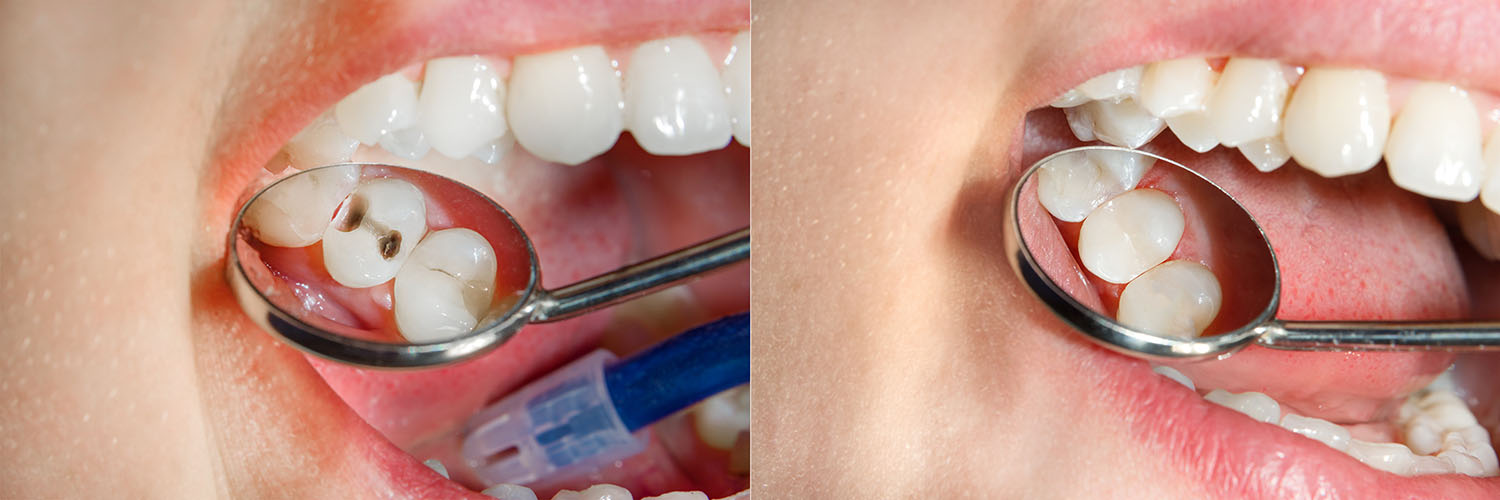
Fillings are a cornerstone of modern restorative care, simple, conservative solutions that stop decay, restore comfort, and protect the tooth for years to come.
In summary, tooth-colored composite fillings offer a discreet, effective way to treat cavities while preserving healthy tooth structure. They are placed in a straightforward appointment, require thoughtful finishing for comfort and hygiene, and can be maintained with routine home care and dental visits. If you have questions about fillings, materials, or what to expect during treatment, please contact us for more information.


A filling restores form and function when a tooth has decay or a small fracture. The primary goals are to halt the spread of decay, seal the vulnerable area against bacteria, and return the tooth to a shape that works comfortably with your bite. Conservative removal of damaged material preserves healthy enamel and dentin whenever possible.
When placed with attention to occlusion and finished to a smooth surface, fillings can feel natural and nearly indistinguishable from adjacent tooth structure. Timely treatment prevents a minor problem from becoming a more complex restorative need. For many patients, a routine filling is the simplest way to protect the long-term health of a tooth.
Tooth-colored composite restorations are resin-based materials that are shaded and layered to match natural enamel, making them an esthetic option for visible areas of the mouth. They are mercury-free and metal-free, and when placed properly they can perform well in many posterior locations. Because composites bond directly to tooth structure, less healthy tooth material often needs to be removed during preparation.
At Fuller Smiles West Los Angeles we emphasize careful shade matching, incremental layering, and precise finishing so composite restorations blend with surrounding teeth. That meticulous technique helps create a tight seal, restore proper anatomy, and reduce plaque retention at the restoration margins. Proper contouring and polishing also help maintain comfort and hygiene over time.
At the office of Fuller Smiles West Los Angeles, a filling appointment typically begins with a focused exam and diagnostic X-rays when needed to assess the extent of decay. Your clinician will explain the findings and outline the treatment plan so you know what to expect before treatment begins. Local anesthesia is commonly used to ensure the tooth and surrounding tissues remain comfortable throughout the procedure.
Once the area is numb, decayed or damaged material is removed with precision instruments and the prepared surface is cleaned and conditioned. For composite restorations the resin is placed in thin layers, each layer is shaped and cured, and the clinician sculpts proper anatomy while checking your bite. Final polishing and any necessary adjustments complete the visit, and most fillings are finished in a single appointment.
Most fillings are performed using local anesthesia to numb the treated tooth and make the procedure comfortable. If a patient experiences anxiety or has difficulty sitting through treatment, additional options such as oral or inhalation sedation can be discussed to provide relaxation and support. It is best to mention any concerns before the appointment so the team can plan the appropriate comfort measures.
Communication during the procedure allows the clinician to pause, adjust anesthetic support, or address comfort needs as required. The goal is a predictable, low-stress experience that prioritizes safety and patient comfort. Pediatric patients and those with special needs are evaluated individually to determine the safest and most effective approach.
After a filling, avoid chewing on the treated side until numbness wears off to prevent accidental biting of cheeks or lips. Mild sensitivity to hot, cold, or pressure is common for a few days as the tooth adjusts, and this typically settles without intervention. Maintain consistent oral hygiene by brushing twice daily with fluoride toothpaste and flossing to protect both the restoration and the surrounding tooth structure.
If sensitivity persists beyond a week, if you feel a sharp pain when biting, or if the restoration feels high or rough, schedule a follow-up so the clinician can evaluate and adjust the filling. Regular dental exams allow your provider to spot early wear, marginal breakdown, or recurrent decay so repairs can remain conservative. Prompt follow-up helps prevent small issues from becoming larger restorative needs.
The longevity of a composite filling depends on factors such as material quality, the size and location of the restoration, chewing forces, and oral hygiene habits. Composites have improved significantly and provide reliable service for many years, but they can wear, chip, or develop marginal breakdown over time. Regular monitoring during dental checkups helps detect early signs of deterioration.
When a filling shows wear, recurrent decay, or compromised margins, a conservative repair or replacement can restore function and protect the tooth from further damage. Your clinician will evaluate the restoration and remaining tooth structure to recommend the most conservative approach for repair. Early intervention often allows for smaller, less invasive repairs than waiting until the problem is extensive.
Large cavities, extensive fractures, or teeth with weakened cusps may require more coverage than a conventional filling can provide. Inlays and onlays offer increased strength while preserving tooth structure, and crowns provide full coverage when significant tooth substance is missing. The decision depends on the size of the defect, remaining tooth structure, and the tooth's functional demands.
Your provider will discuss alternatives such as inlays, onlays, or crowns when these options better protect the tooth long term. The goal is to balance durability, aesthetics, and conservation of natural tooth structure. Where possible, clinicians favor conservative treatments that prolong the life of the natural tooth.
Selecting a filling material involves evaluating the cavity size and location, esthetic expectations, and the tooth's role in chewing. Factors such as the amount of remaining tooth, occlusal forces, and whether the restoration will be visible when smiling influence the recommendation. Dentists also consider material properties like bonding ability, wear resistance, and reparability.
A thorough discussion with your provider will explain why a particular material is recommended and what performance you can expect. The clinician balances longevity, appearance, and preservation of tooth structure when making a plan. Shared decision-making ensures the chosen option aligns with your goals and clinical needs.
Composite resin can pick up surface stains over time, particularly with frequent exposure to strongly pigmented foods, beverages, or tobacco. Careful finishing and polishing at placement reduce early staining, and good at-home hygiene prevents plaque buildup that can trap stains against restoration margins. Routine professional cleanings help maintain the surface luster and overall appearance.
If staining is superficial, polishing during a hygiene appointment can often restore the finish without replacing the filling. When discoloration or marginal breakdown is internal or significant, repair or replacement may be necessary to regain a seamless match. Regular maintenance and prompt attention to changes help extend the aesthetic life of composite restorations.
Fillings are commonly used in children and teenagers to treat cavities and restore chewing function while protecting developing teeth. Composite restorations are often preferred because they bond to tooth structure and allow for conservative preparation, which is beneficial for younger patients. Behavior management and minimally invasive techniques help make the experience comfortable and efficient.
Pediatric care may include topical or local anesthetics and, when necessary, mild sedation to help anxious or uncooperative patients. Preventive strategies like sealants, fluoride treatments, and regular checkups paired with timely restorations support long-term oral health. Our team treats young patients with techniques appropriate for their developmental needs at locations in Culver City, Santa Monica and Beverly Hills.

Have a question about a treatment, or ready to book your next visit?
Getting in touch is the easy part. Our friendly team is happy to help you schedule an appointment, walk through your options, or talk through any concerns before you commit to anything.
Call us, or fill out our quick online contact form—whichever suits you. Either way, you'll reach a real person who's glad to help. The smile you've been thinking about starts with a single message, so go ahead and send it. We'll take it from there.